NOT ALL WOUNDS ARE VISIBLE: RECOGNISING AND ADDRESSING EMOTIONAL AND PSYCHOLOGICAL ABUSE
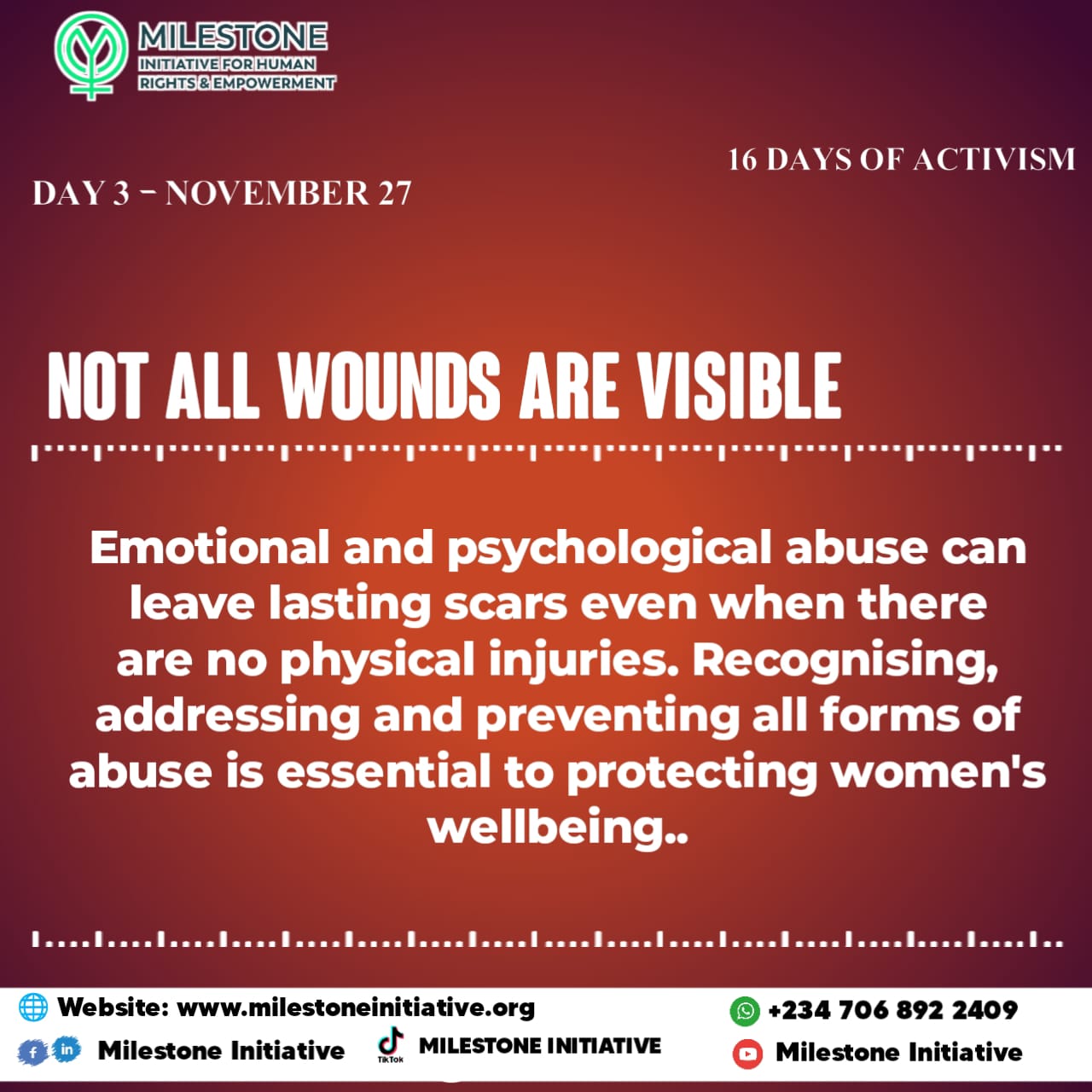
Emotional abuse is real. Its impact matters, even when there are no visible injuries.
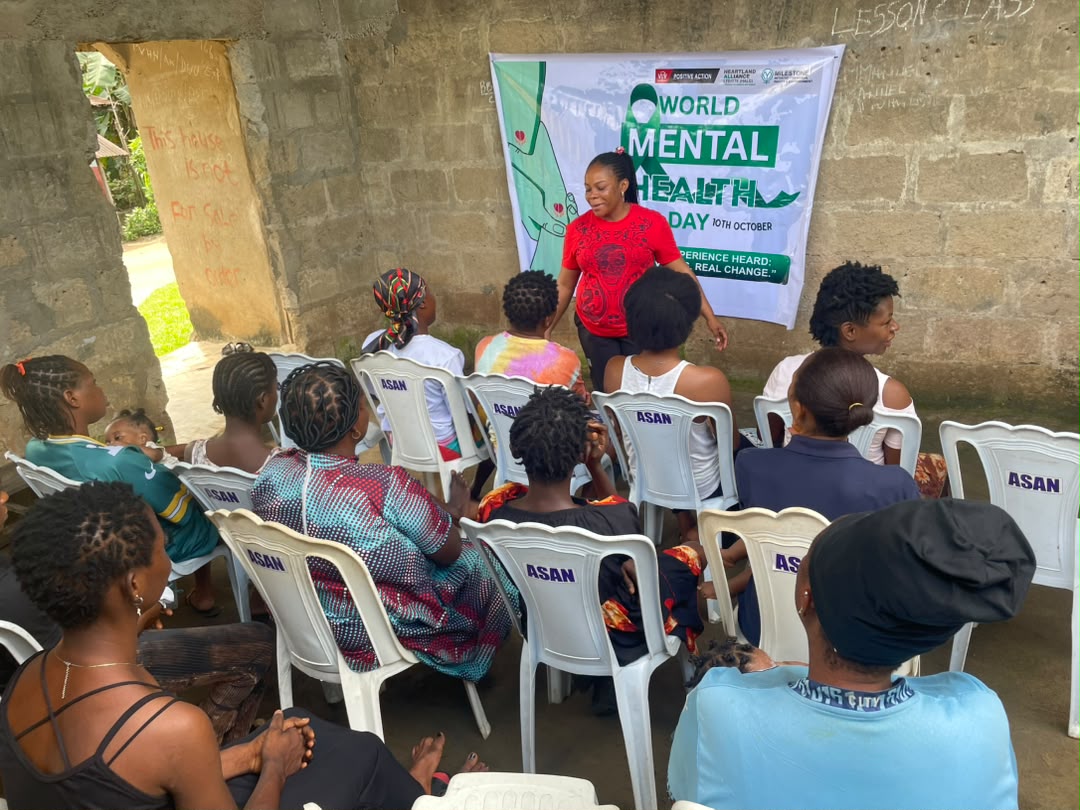
Violence is not always physical. Sometimes, it happens through words, threats, intimidation, manipulation, humiliation and controlling behaviours that gradually affect a woman’s confidence, emotional wellbeing and sense of self-worth.
Emotional and psychological abuse can take many forms, including constant criticism, verbal attacks, isolation, threats, rejection, humiliation and deliberate attempts to control or undermine another person’s feelings and decisions.
Although these experiences may leave no visible marks, their effects can be long-lasting and should never be ignored or dismissed.
Understanding Emotional and Psychological Abuse
Psychological abuse involves behaviours intended to intimidate, manipulate, control or undermine another person’s emotional and mental wellbeing. It can happen in intimate relationships, families, communities and other social environments.
Unlike physical violence, emotional abuse may be difficult to recognise, particularly when harmful behaviours are normalised or dismissed as ordinary disagreements.
However, no one should have to endure constant humiliation, intimidation, threats or degrading treatment to maintain a relationship or gain acceptance.
The Additional Burden on Women Who Use Drugs
Women who use and inject drugs may experience multiple layers of emotional and psychological abuse because of stigma, discrimination and harmful societal attitudes.
They may face rejection from family members, verbal attacks from partners, public humiliation, threats, social isolation and discrimination when seeking support or healthcare services.
These experiences can deepen feelings of fear, exclusion and emotional distress, making it more difficult for affected women to seek help or speak about their experiences.
At Milestone Initiative for Human Rights and Empowerment (MIHRE), we recognise that women who use drugs deserve the same respect, protection, compassion and access to support as every other woman.
Their experiences must not be dismissed because of their drug-use status.
Why Recognition and Support Matter
Recognising emotional and psychological abuse is an important step towards preventing further harm and promoting women’s wellbeing.
Families, partners, communities, service providers and institutions all have a responsibility to challenge harmful behaviours, promote respectful relationships and create environments where women feel safe, heard and supported.
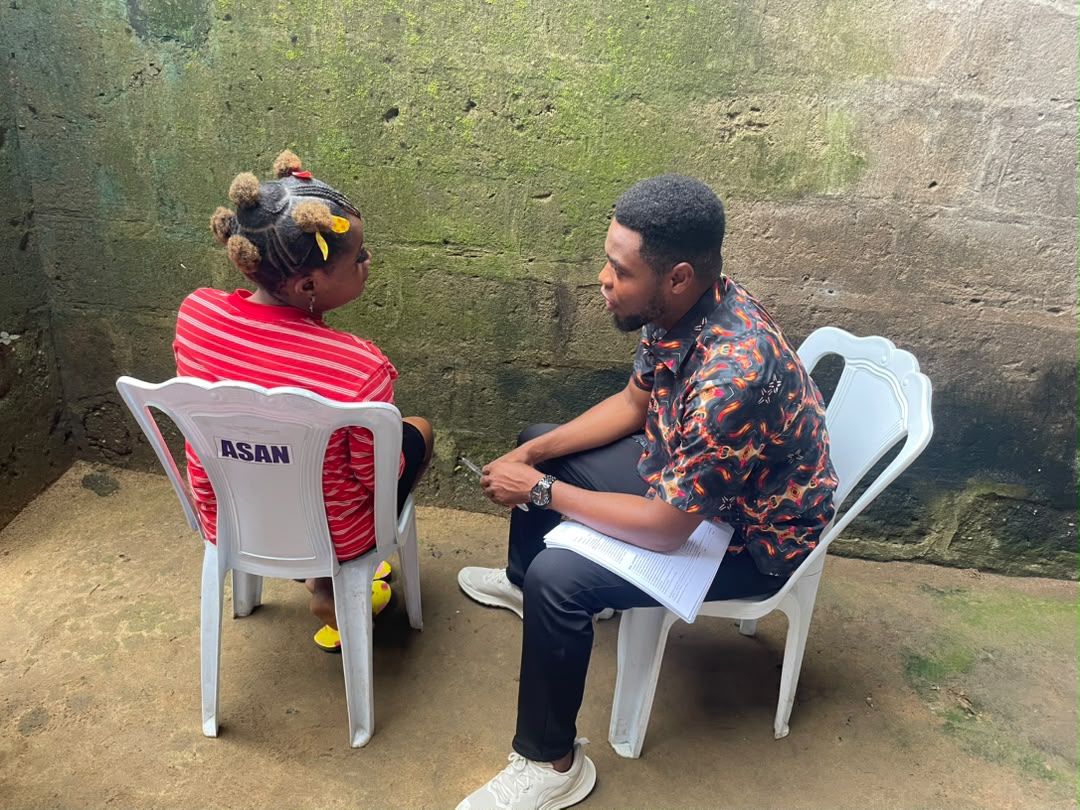
Survivors should have access to confidential, non-judgmental and compassionate support, including mental health and psychosocial services, appropriate referrals and other essential support systems.
Most importantly, women must be able to seek help without fear of stigma, discrimination or further victimisation.
Building Communities Where Women Feel Safe
Ending gender-based violence requires more than addressing physical injuries. It also means recognising the emotional and psychological harm that often goes unnoticed.
We must challenge harmful attitudes, promote emotional safety, respect women’s dignity and ensure that every form of abuse is taken seriously.
Through its human rights advocacy, harm reduction and community-based interventions, MIHRE remains committed to promoting the wellbeing, rights and dignity of women, including women who use and inject drugs.
A wound does not have to be visible to deserve attention. Every woman deserves to live free from fear, humiliation, intimidation and abuse.
Let us recognise the signs, challenge the silence and work together to end all forms of gender-based violence.
Milestone Initiative for Human Rights and Empowerment (MIHRE)
#StopEmotionalAbuse #EndPsychologicalAbuse #EndGBV #MentalWellbeing #WomenWhoUseDrugs #HarmReduction #HumanRights #BreakTheSilence #16DaysOfActivism #MIHRE #HALG #ViiVHealthcare